For pet owners and livestock keepers in Orange County, fencing is about more than property lines — it is about safety. A well-built fence keeps your animals contained, protects them from predators and traffic, and gives you peace of mind. Whether you have a golden retriever in a Middletown backyard or horses on acreage in Pine Bush, the right fence design makes all the difference.
Dog fencing: what every pet owner should know
Dogs are the number one reason homeowners in the Wallkill area call us for fencing. An unsecured yard puts dogs at risk of running into traffic, getting lost, or encountering wildlife like coyotes, which are increasingly common throughout Orange County. Invisible or electric fences may seem convenient, but they have serious limitations: they do not keep other animals or people out, they can fail during power outages, and many dogs learn to run through the shock when motivated by a squirrel or another dog.
A physical fence is the safest, most reliable solution. For most dogs, we recommend a minimum fence height of 4 to 5 feet. For larger breeds or known jumpers, 6 feet is the standard. The choice of material depends on your goals:
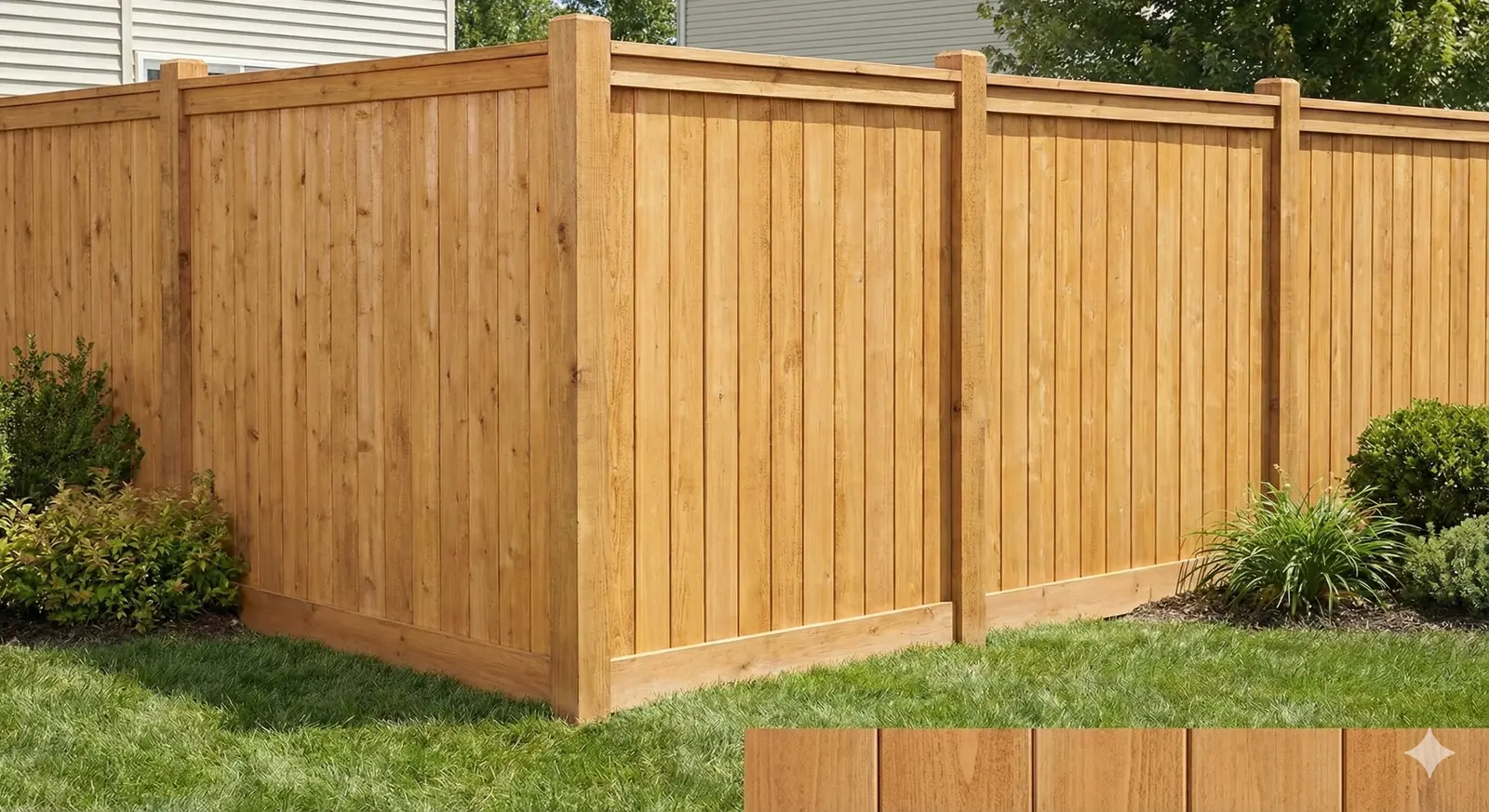
- Vinyl privacy fencing is excellent for dogs that are reactive to visual stimulation. A solid panel fence blocks the view of passing pedestrians, other dogs, and wildlife, which reduces barking and fence-line running.
- Wood fencing (cedar stockade or board-on-board) provides similar visual blocking with a more natural look. Our stick-built wood fences follow the contour of the ground, eliminating gaps at the bottom where small dogs might escape.
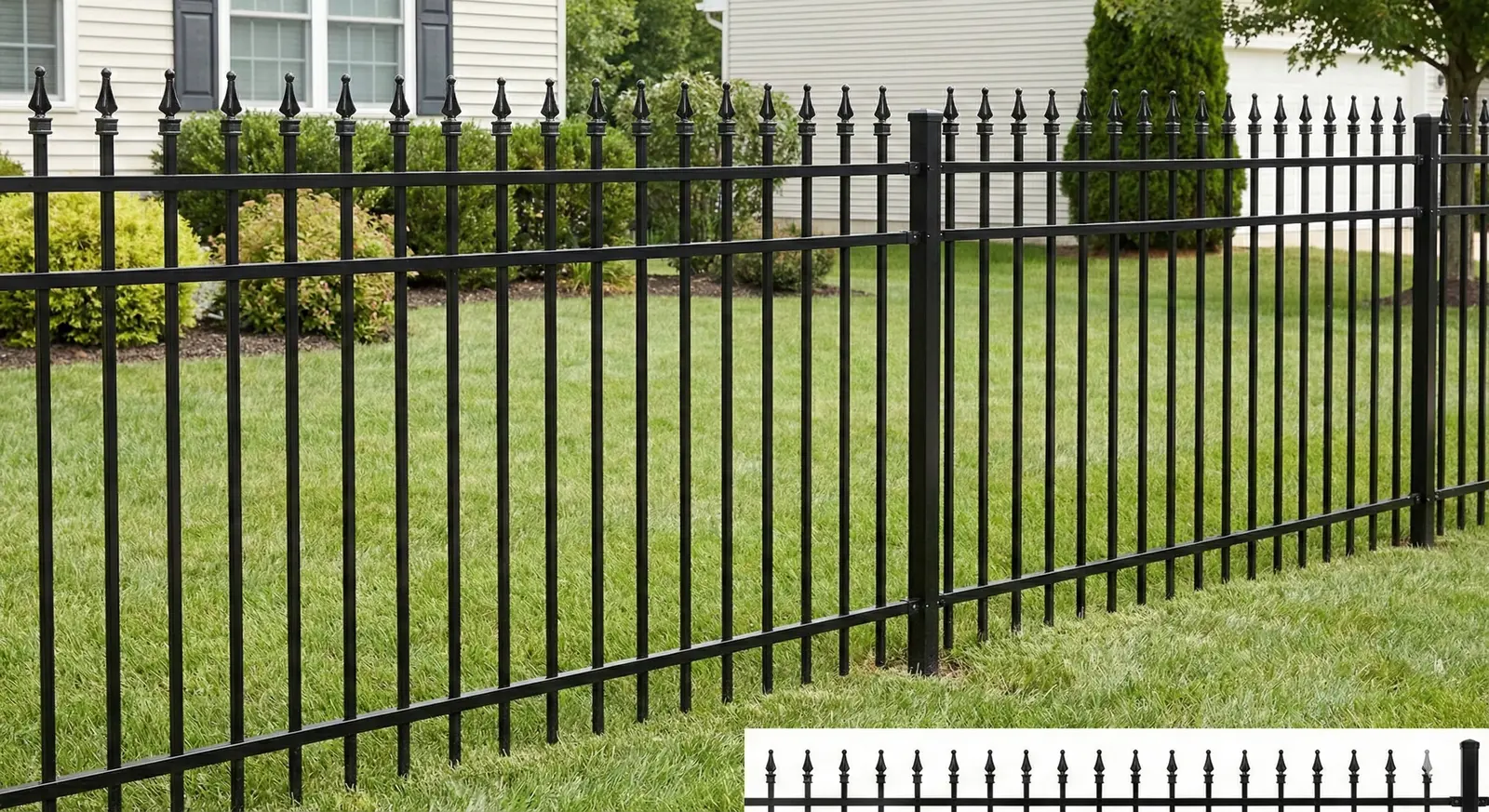
- Aluminum ornamental fencing works well for less reactive dogs and is a popular choice for front yards. However, the picket spacing must be narrow enough to prevent a dog from squeezing through — something we always account for during the design phase.
One detail many homeowners overlook is the bottom of the fence. Dogs — especially terriers and other digging breeds — will try to dig under a fence to escape. We address this by setting fence panels close to grade and, where needed, installing a buried wire mesh “dig guard” along the base. This small addition can prevent a lot of headaches down the road.
Horse and equine fencing
Orange County has a rich equestrian tradition, and proper horse fencing is a serious investment in animal safety. Horses are large, powerful animals that can injure themselves badly on the wrong type of fence. Barbed wire, for example, should never be used for horses — the risk of severe lacerations is too high.
The best options for horse fencing in the Hudson Valley include:
- Post and rail (board fencing) is the classic choice. We build three- and four-rail fences using pressure-treated posts with hardwood or treated rails. This style is highly visible to horses, which is important because horses have limited depth perception and can run into a fence they cannot see.
- No-climb woven wire with a top rail combines visibility with containment. The smooth wire mesh prevents hooves from getting caught, and the top rail provides a visual barrier.
- Vinyl post and rail offers the traditional look without the maintenance of painting or staining. High-quality vinyl flex-rail can absorb impact without splintering, reducing injury risk.
Regardless of the style, horse fencing must be installed at the right height — typically 54 to 60 inches for the top rail — with posts spaced correctly to maintain structural integrity over long runs. Our team has installed miles of equine fencing throughout Pine Bush, Crawford, and the surrounding rural communities.
Barbed wire should never be used for horses. The laceration risk is simply too high.
Livestock and farm fencing
For farmers and homesteaders with goats, sheep, chickens, or cattle, fencing needs are different from typical residential jobs. Goats, for instance, are notorious escape artists that will climb, squeeze through, or push under almost any fence that is not specifically designed to contain them. Poultry requires small-gauge mesh to keep out predators like foxes, raccoons, and hawks.
We install agricultural fencing solutions including high-tensile wire, welded wire mesh, and woven field fencing. For smaller homestead animals, we can integrate hardware cloth and mesh panels into post-and-rail structures to create secure enclosures that keep your animals in and predators out.
Keeping wildlife out while keeping pets in
In the Wallkill Valley, many pet and animal owners face a dual challenge: they need to keep their animals safely contained while also preventing wildlife — deer, coyotes, bears, and smaller predators — from entering the property. The solution often involves combining fence types. For example, a 6-foot vinyl privacy fence around the backyard for dog containment can be paired with an 8-foot deer fence around the larger property perimeter. We regularly design and install these layered fencing systems for properties that have both residential and rural characteristics, which is common in the transition zones between Middletown’s neighborhoods and the surrounding countryside.
Choosing the right fence for your animals
Every animal and every property is different. The right fence depends on what species you are containing (or excluding), the size of the area, the terrain, your budget, and local zoning regulations. The Town of Wallkill, Middletown, and other Orange County municipalities each have their own setback, height, and material requirements that must be followed.
That is why we always start with a free on-site visit. We will walk the property with you, discuss your animals and their behavior, and recommend the best fencing solution for your specific needs.
Quick answers
- Most dogs: 4 to 5 feet. Large breeds and jumpers: 6 feet.
- Never for horses: barbed wire. Use post-and-rail or no-climb wire with a top rail.
- Horse top rail height: typically 54 to 60 inches.
- Hardest animal to contain: goats, by a wide margin.
Weighing materials for a dog yard? Our dog fence guide for Middletown goes deeper on height, dig defense and gate hardware, and vinyl versus wood compares the two most common privacy materials.