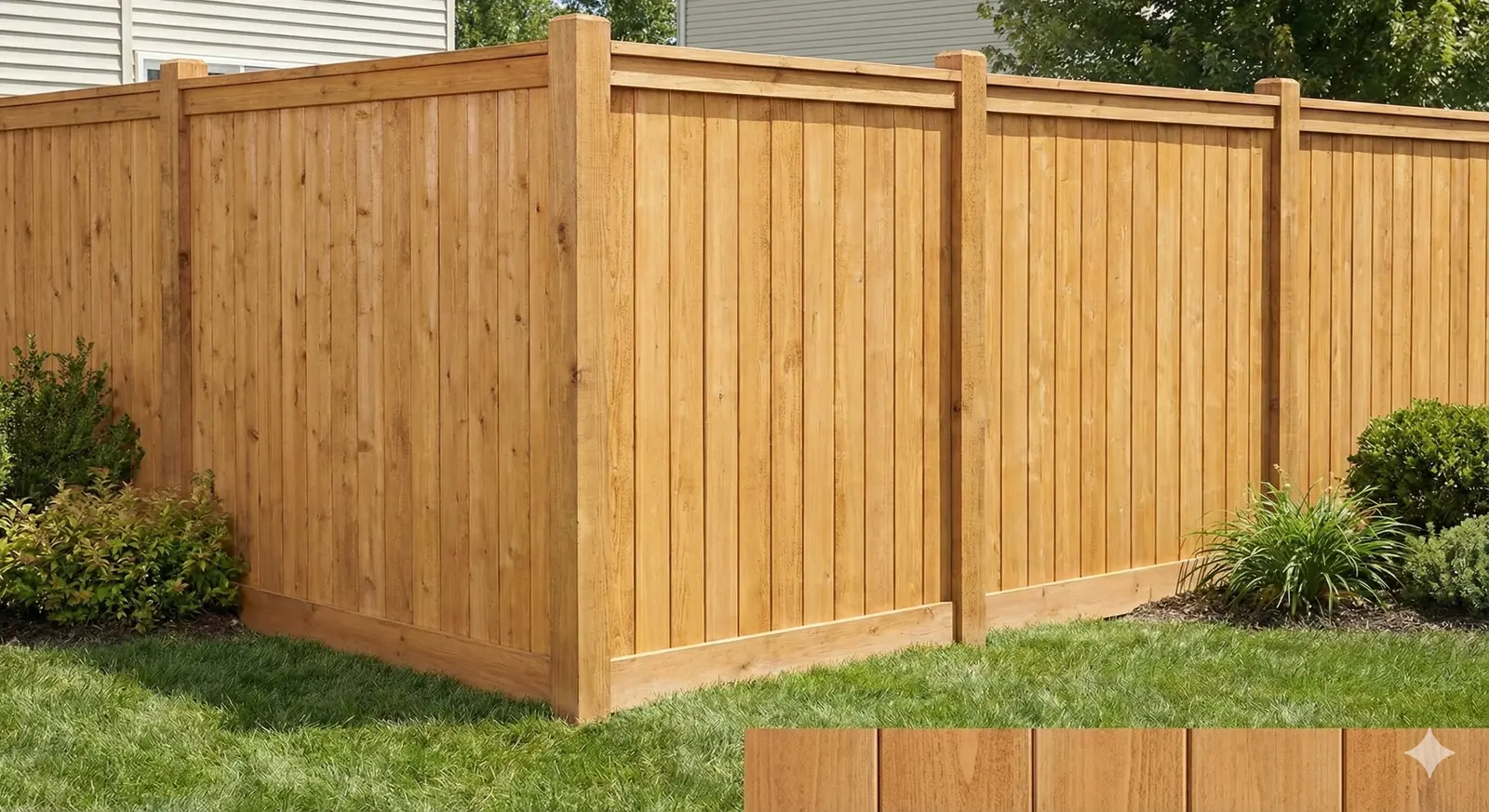
Most fence calls that begin with “we just got a dog” turn into a different conversation than the caller expected. A fence that marks a property line only has to stand up straight. A fence that contains a dog has to outlast a determined animal with all day to work on it — and around Middletown it also has to deal with rock ledge, freeze-thaw heaving, and whatever cuts through the yard at night.
Start with your dog, not the brochure
Before height or material, the useful question is how your dog tries to leave. Four patterns cover nearly all of it:
- Jumpers clear a fence from a standstill. Retrievers, shepherds and most working mixes live here.
- Climbers use the fence itself as a ladder. Chain-link is a rung system to a husky or a motivated terrier.
- Diggers ignore height entirely and go under. Beagles and the terrier breeds are relentless about it.
- Bolters go straight through — an open gate, a loose picket, a gap where the grade falls away.
A 5-foot vinyl privacy fence is overkill for a 12-pound dog that never tests a boundary, and useless against a shepherd that clears six feet the moment a deer walks past. Tell your installer what the dog actually does. It changes the spec far more than the color does.
How tall should a dog fence be in Orange County?
A rough guide for the properties we see between Middletown and Circleville:
- 4 feet — small breeds, senior dogs, and yards where the fence is really about definition rather than containment.
- 5 feet — the practical default for medium dogs on most suburban lots in Scotchtown and Mechanicstown.
- 6 feet — large, athletic or anxious dogs, and any fence line facing traffic, a sidewalk or an established deer trail.
Height limits and setbacks are set by your municipality, and the City of Middletown and the Town of Wallkill do not write identical rules — front-yard height in particular tends to be more restricted than the back. Confirm what applies to your parcel with the building department having jurisdiction before you commit to six feet.
One thing height alone will not fix: a dog that launches from an elevation. A deck, a retaining wall, a woodpile, or a plowed snowbank piled against the fence in February turns a 6-foot fence into a 4-foot fence. Keep the inside face clear.
Which material holds up best for dogs
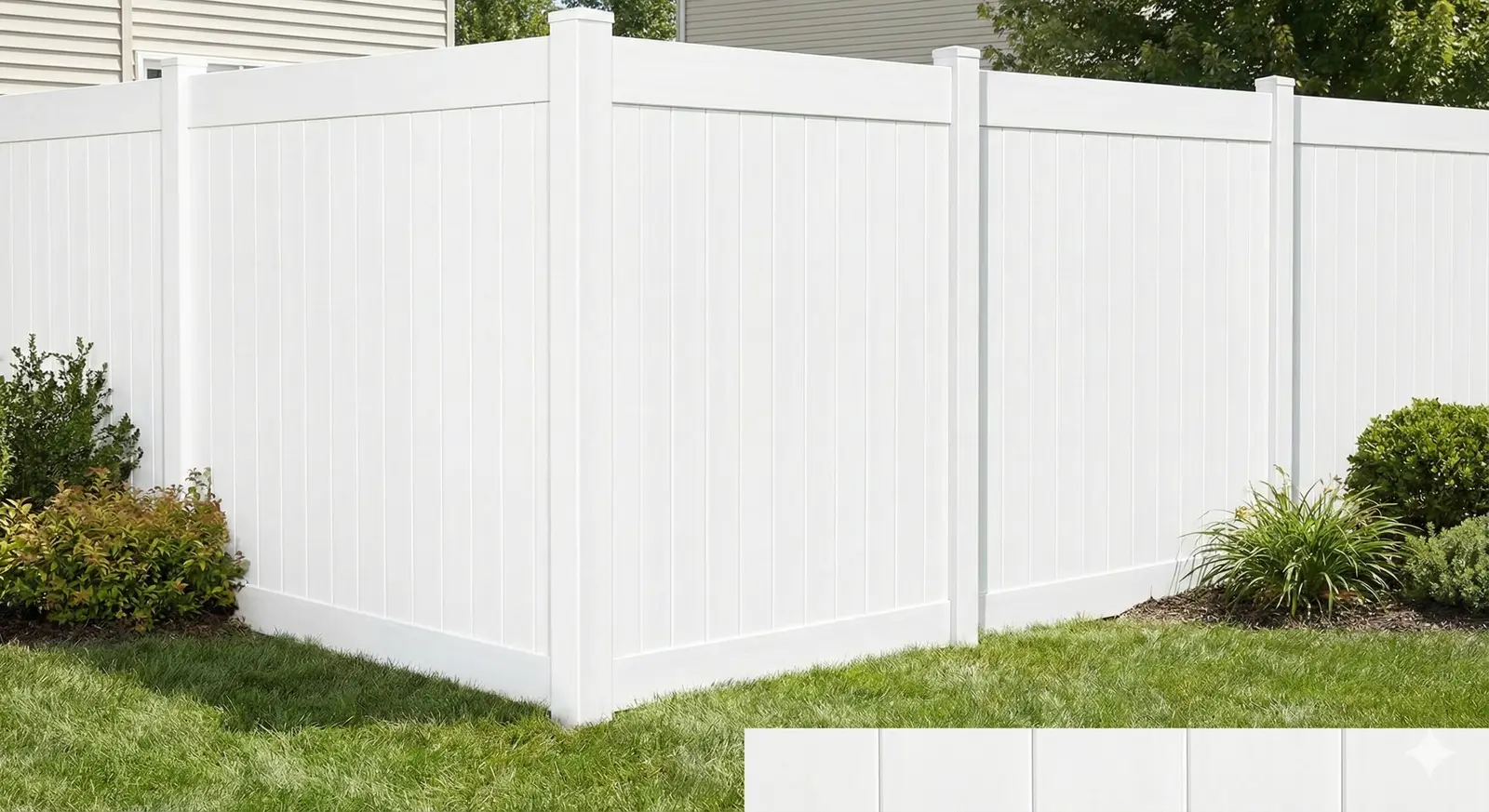
Vinyl privacy
The most requested dog fence in Middletown, and for good reason: nothing to climb, nothing to chew through, and no gaps to see out of. Much of what sets a dog off in a yard is visual, so solid panels quiet the pacing and barking that starts every time a neighbor walks a dog past on Dolson Avenue.
Cedar and wood
The same containment with more warmth and more flexibility on sloping ground, since board-on-board and shadowbox styles can be racked to follow a grade instead of stepping over it. Wood asks for maintenance, and a committed chewer will eventually find the bottom rail.
Chain-link
The budget-honest option, and it contains most dogs perfectly well — just understand that it is climbable and it is see-through. Black vinyl-coated chain-link disappears against a tree line far better than galvanized, and it handles the road salt along Route 211 better too.
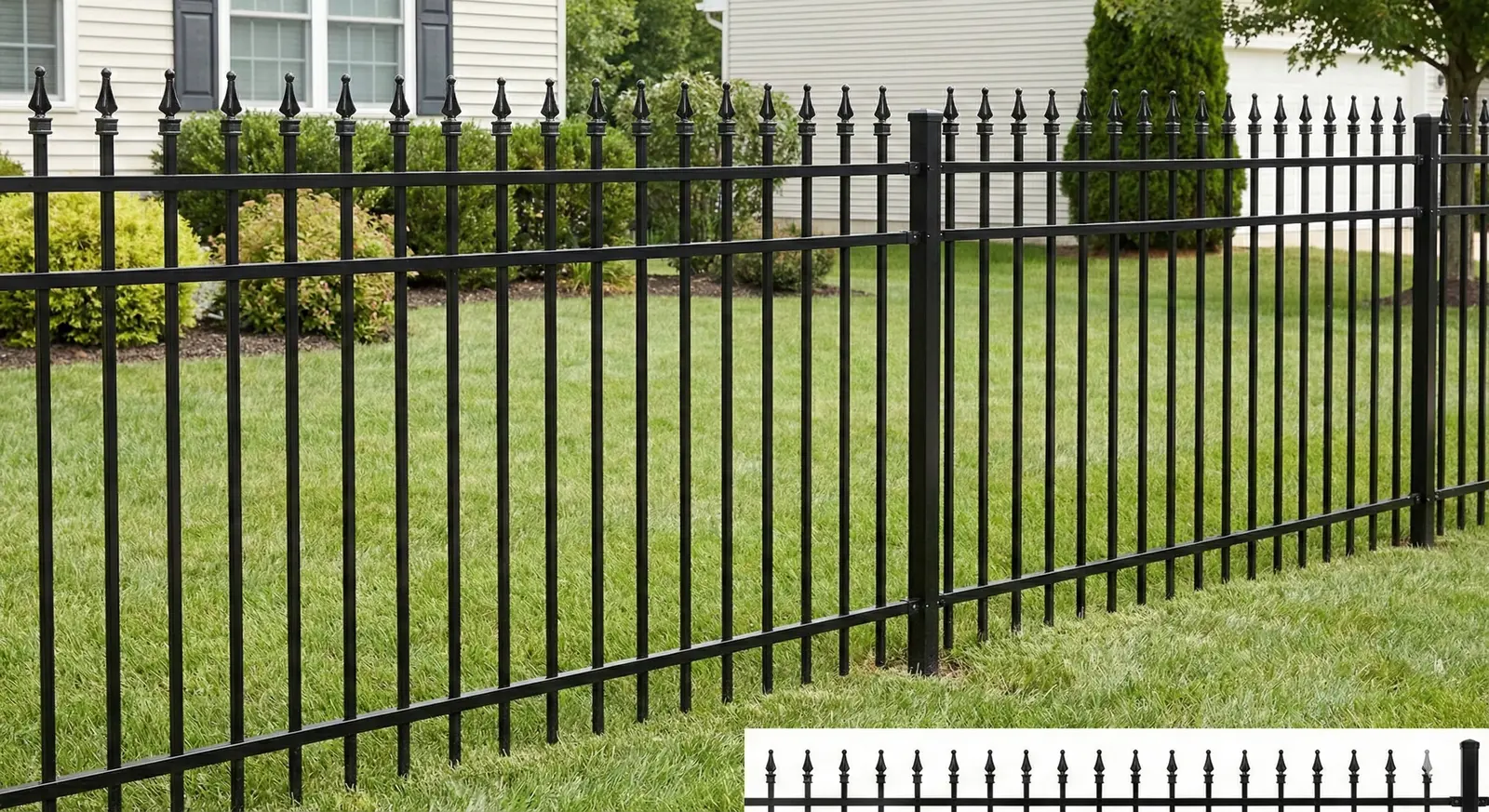
Aluminum
The pick when you want the yard to stay open and the view intact. Picket spacing is the detail that matters: standard residential spacing will hold a lab and will not hold a puppy or a small breed. Ask for reduced spacing or puppy panels if you have a small dog.
The bottom six inches decide everything
Most dog escapes around here happen at ground level, not over the top. Orange County ground makes it worse — soil settles, freeze-thaw cycling from December through March lifts and drops everything, and a dog only needs one soft spot along a 150-foot run.
What works, roughly in order of cost:
- Set panels tight to grade instead of leaving a mow gap, and follow the contour rather than stepping over every dip.
- Add a bottom rail or kickboard — a pressure-treated rot board along the base of a wood fence gives a digger nothing to start on.
- Bury an L-footer: hardware cloth or welded wire fastened at the base and turned outward under the sod. Dogs dig straight down at the fence line and hit it.
- Pour a concrete or gravel mow strip under the two or three spots the dog actually works on. You rarely need the whole perimeter.
A dog does not test 150 feet of fence. It tests the three worst feet, and it stays there.
Gates are where dogs get out
Gates fail more often than fence does. Self-closing hinges and a latch that cannot be nosed open are worth the small upcharge, especially with kids, guests and lawn crews coming and going. Double-gate a pool yard if the dog has access to it. And size the gate honestly — if a mower, wheelbarrow or truck has to get through, a 4-foot walk gate becomes the reason someone props it open all summer.
Invisible fence vs. a physical fence out here
Buried-wire systems have real appeal on the bigger parcels out toward Stony Ford, Howells and Wawayanda, where fencing a full perimeter gets expensive fast. They work for some dogs. What they do not do is keep anything out. Orange County has a healthy coyote population, loose dogs, and deer that cut the same paths through the same yards every night — and a dog on a boundary collar is fully available to all of them. A prey-driven dog will also take the correction and keep going.
A common middle path on rural lots: a physical fence around a defined half-acre near the house, with the rest of the parcel left open.
What changes lot by lot around Middletown
On tight city lots off Wisner Avenue, setbacks and neighbors drive the design — you are fencing 40 feet between two houses and which side gets the finished face matters. In the Town of Wallkill subdivisions around Crystal Run and Silver Lake, HOA rules and utility easements come first. Head out past Circleville and along Route 302 and the lots get rockier, the runs get longer, and shale ledge and wind exposure drive the post plan. Down in the Wallkill River bottomland and the Black Dirt Region toward Wawayanda, drainage and muck soil decide the footing detail.
Before you call
Walk the line with the dog. Note where they patrol, where the ground dips, and where the grade falls away. Know roughly how many gates you want and whether a truck and auger can reach the back yard. Have your survey handy if you have one. Those four things get you an accurate number on the first visit instead of the third.
Quick answers
- Most common dog fence in Middletown: 5- or 6-foot solid vinyl or cedar privacy.
- Biggest mistake: buying height and ignoring the bottom of the fence.
- Cheapest fix that works: a kickboard or buried L-footer on the spots your dog favors.
- Before you order 6 feet: confirm height limits with your municipality.
Questions about a specific yard are easier to answer standing in it. We give free estimates across Middletown, the Town of Wallkill and the surrounding Orange County towns — see the fence planning guide for cost, permit and timeline basics, or our service area for the towns we cover.